7 min read
Give an Asparagus Bed Room for Its Summer Ferns
Choose a sunny permanent bed for the tall foliage, then work out when a new planting can support its first short picking season.
On this page
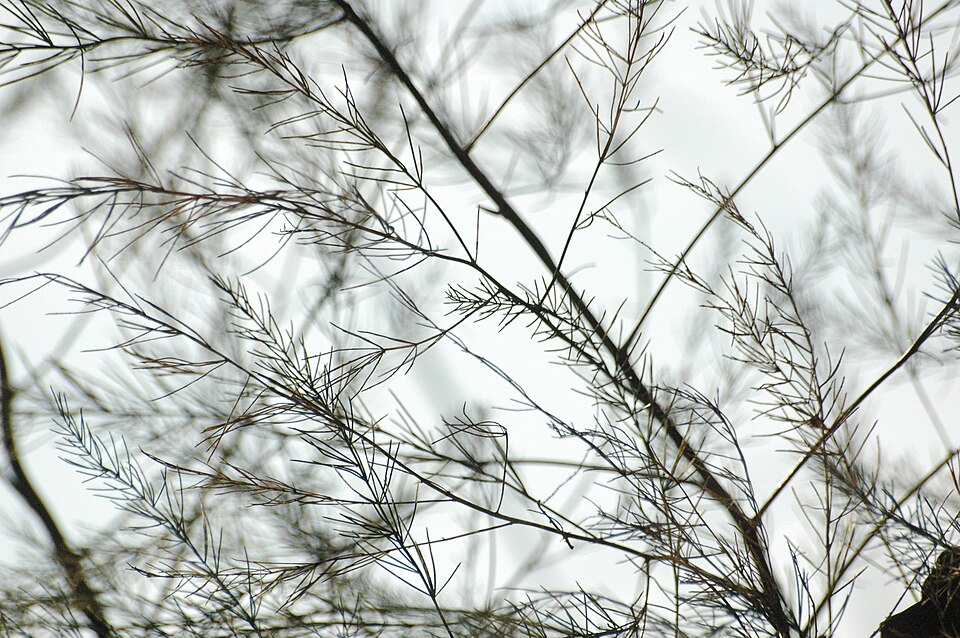
Most of a new asparagus bed is designed when the gardener is thinking about spring spears. The crop spends a much larger part of the growing year as tall, branched foliage. That foliage needs sun and room, and it can obscure shorter crops behind it. It also supplies the underground crown with the resources for future spears. Choose the bed for the summer plant first. Then give its spring harvest a route through that space. The best part of an established asparagus planting is that it can keep working for years if it has enough room outside the weeks you cut from it.
Asparagus is Asparagus officinalis, a perennial. Growing it is a long-term use of ground, so finish the site choice before choosing how many crowns to buy. A productive bed needs direct light, good drainage and limited competition from perennial weeds. Short stalks emerging at the start of the year give a poor indication of mature fern height. Use a marker at the size expected for your selection and make sure the neighboring beds are still useful with a row of foliage in place.
Put the permanent row on the right side of the garden
Watch the direction of midday light and the route you take to tend nearby crops. A row at the edge of the garden often gives enough room to work without disturbing the crowns. Put it where the mature ferns will not shade other plants that need prolonged sun. Stand where you expect to pick and see how much ground you can reach without stepping into the bed. There is little reason to make the planting wider than your access on one or both sides. Spears are easiest to collect where you can approach them without breaking the youngest ones nearby.
Choose deep, well-drained soil and clear perennial weeds as completely as you can before planting. Roots of a persistent grass are easier to remove now than after they have mixed with a long row of crowns. Look for water standing after rain. A site that is repeatedly saturated will be difficult to correct once the planting is established. Follow local soil test guidance and check if any soil preparation work would disturb drainage or buried services before digging deeply. Keep long-term access to the bed while considering work you may need to do elsewhere in several years.
Measure a practical route for cleanup as well. You may need to carry out old tall foliage after it has finished. Leave a clear approach and keep other plantings far enough away that those stems can be lifted out without dragging them across a young crop. Give the asparagus its own label. Before its shoots come up in spring, a clear mark along the edge prevents accidental digging or changes to the planting line.
Plant healthy crowns or allow more time for seed
Crowns give a head start compared with raising plants from seed. Pick a cultivar suited to your region and buy healthy stock. Keep roots from drying before planting. Plant in a season suited to your climate and follow regional recommendations for depth, spacing and the way the roots are covered. The appropriate method depends on conditions and stock. Make enough room for roots to spread without being folded into a tight hole. Keep the new planting labeled if you are comparing several varieties.
Water the root area thoroughly after planting and continue checking moisture as young growth establishes. A large perennial bed may seem as if it needs little care in its first year because the harvest basket remains empty. This is when healthy foliage and roots are the entire crop. Give them time to develop. Control new weeds shallowly around developing spears and remove persistent ones with care. Avoid accidental damage to the crowns while making the surface easier to maintain.
A good first year produces upright foliage through the ordinary growing season. Let every spear grow. If the plants are small or uneven, look at drainage, weeds, moisture and light before planning the first harvest. Newly set crowns, particularly smaller or seed-raised plants, may need longer. Virginia, Minnesota and other regional growing guides may describe different harvest starts for different conditions. Use advice appropriate to your area and stock rather than treating an elapsed number of months as a readiness test.
Make the first picking a short test
Minnesota Extension describes starting a limited harvest in the second spring after planting vigorous crowns, with more time for plants started from seed. A weak bed benefits from more time. Check its size at the end of the previous growing season and watch how strongly the new spears develop in spring. Do not let an exact start date override the condition of the plants. Leave a bed to build foliage again if there are only a few thin spears in the area you meant to harvest.
Where a new bed is ready, keep the initial harvest modest. In strong conditions, about two weeks is an example from Minnesota guidance for a first harvest. The number of days and the useful height depend on growth and region. Check the tips regularly in warm weather before they loosen. About six to eight inches, or 15 to 20 centimeters, is a useful example for many plantings. Cut or snap suitable spears with care, without reaching below the soil into unseen crowns or slicing neighboring tips.
Look at the whole row between pickings. If spear growth slows substantially or the bed looks weak, end the trial and let the rest come into fern. Over time, a vigorous established bed may tolerate a longer harvest than a young one. Use local advice and plant condition. There is no fixed date at which every bed should stop. Record the first suitable spears and the point when you stopped, and compare the foliage that developed afterward. It is useful to know how long the bed continued growing after the basket went inside.
Plan for a bed that matures unevenly
A bed planted from several crowns need not enter its first harvest at the same rate. Walk it end to end before choosing where to cut. Mark a weaker section where the stems were sparse the previous year. Leave those plants to make foliage while testing a few vigorous ones elsewhere, if the bed is mature enough. If the weaker part is consistently at one end, check whether a neighboring crop shades it or whether rainwater has pooled there. A note about those conditions is more useful than a general count of crowns.
Bring a narrow basket on the first visit and set it on the path. Move along the row slowly, keeping an eye out for spears that have just emerged. In a patch where the soil surface is irregular, use a low side view before setting your feet near the edge. An extra few inches of clear walking room can protect the very spears you expected to harvest later in the week.
Make room for the fern canopy
Allow healthy green foliage to stand through its active growth. It replenishes the crowns for the following year. Do not cut it down because you want to grow another crop in the same area after spear season. Keep watering according to soil moisture, especially in a dry period on a young or actively growing bed. Check weeds below the foliage while leaving enough room to avoid knocking branches against one another. The open side you kept for picking will also help with these observations.
Watch where the stems lean after rain. If they interfere with a nearby route, improve the access or provide appropriate support when necessary without removing large amounts of active leaf area. Think about reassigning a neighboring bed rather than shifting established crowns just to make a new spring route. Several years of foliage can confirm that the site is suitable. If a tree or other large plant is now shading the bed, note how strongly it affects growth before assuming autumn cleanup should be different.
After foliage fully dies back, follow regional cleanup guidance. Conditions and pest or disease pressures can influence when old growth should be removed. Work from the clear route and avoid cutting into the crown. Keep the position marked through winter so spring growth can emerge undisturbed. A dry stem can still give you a useful outline of the row. Once the bed is quiet, take a look at where you plan to walk on the first warm visits of the next growing season.
Judge the planting by the years you can keep it
Look at the number of sound ferns that stood through the summer and the ease of finding spears during the short test. If both worked, keep the site open and avoid expanding across access you need. If spring harvest was easy but the foliage occupied half a neighboring bed, revise that neighbor before putting in more crowns. The critical space is the one the growing plant needs after the final cut. Give it that room and the next spring will have a much stronger basis for a useful picking season.
Further reading: University of Minnesota Extension guide to growing asparagus.