7 min read
Give Rough Goldenrod a Place in the Fall Border
Set a clear boundary for rough goldenrod and choose how much of its pale seed display to keep after flowering.
On this page
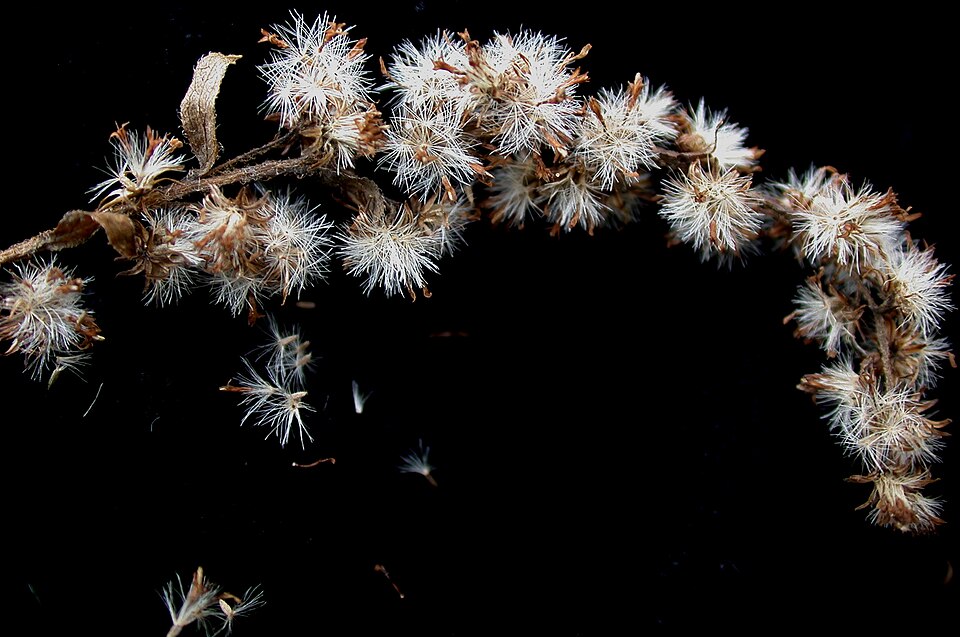
Goldenrod looks easiest to place on the day you bring it home. A small pot with yellow stems gives no immediate indication of how many shoots can emerge next spring or how far the flowering stems can reach over a neighbor. The important decisions happen after that afternoon. Leave enough room for a full clump and decide which side you can reach to remove growth that goes too far. In the fall, settle on a few heads to keep after the flowers fade. The pale seed fluff is easiest to see at the tips of the stems, where the heads may catch the light on a dry afternoon.
Rough goldenrod, Solidago rugosa, is a perennial native to eastern North America. The leaves can feel rough and have a wrinkled texture. Its branches carry groups of small yellow flowers near the end of the growing season. Goldenrods differ in habit and site preference, even when they look similar in a nursery. Buy this species by botanical name. A cultivar such as 'Fireworks' gives an idea of how arching flower branches can be used in a garden, but still needs room to grow.
Start with a measured space you can reach
Choose a piece of border where a late accent will show. A mature clump looks good viewed across the top of a low foreground plant. It should sit back far enough that wet stems do not drape across a path or hide a step. A single row of paving stones, a low wall, or an open strip of soil can make the intended boundary easy to see. You can then spot new stems that emerge outside it. A boundary on a sketch helps at planting time, but a visible line is much easier to use after a season of new growth.
Look at the ground from the place you will stand when it is full of leaves. Can you reach the edge of the crown without stepping backwards into a thorny shrub? Can you see which shoots belong to the plant? It is easier to inspect a patch that lies within reach from the front or an accessible side. Leave room around permanent neighbors you want to keep. A long sweeping stem across the top of their foliage may be useful for a few weeks, while a new shoot emerging right beside a slow-growing neighbor may need to come out.
Give the plant enough light to form strong stems. Rough goldenrod can grow in full sun or light shade, and it often favors moist ground. Check how long the proposed bed stays dry after rain; this species is a better fit for some damp sites than goldenrods that are naturally found in dry upland ground. A bed receiving full sun and steadily available moisture can suit it without needing routine feeding. Strong shade from taller plants nearby may affect the shape of the clump and make access harder.
Some regions have good reasons to plant a local goldenrod or choose an entirely different late perennial. Check which species are appropriate where your garden lies, particularly near a natural area. Buy reputable nursery plants and leave wild populations intact. If a nursery lists a mature width for a named cultivar, use that as a starting point and make allowance for the local site. An open border may let the plant grow differently from the same selection in a tight mixed planting.
If you want the flowers to read as a group, start with the opening you can see from the house in late September. A patch in front of a dark evergreen can appear bright even at a distance. Take a view from kinder light as well as from full afternoon sun. The place where the gold stands out for the longest part of the day may be a few feet away from the original mark. Shift the center of the bay if that gives you better light and a clear route to its edge.
Keep the root spread easy to read
Water the nursery plant before planting if its potting mix is dry. Set the root ball at the level where it has been growing, backfill and water. During the first season, mark the planted spot and compare it with the outline you expect to see when the leaves return next spring. Keep the label outside the center of the clump. A label left among the stems may be difficult to find before clearing excess growth.
Check the root zone after a dry or very wet spell. Apply water as needed while the plant is establishing, and take a cue from nearby soil a little below the surface. A damp border where sheets of mulch press against the base can be more difficult to inspect. Keep mulch loose and off the stems. Follow the slope of the land so water does not pool in a small dam made by the mulch. When the plant reaches its normal late summer growth, decide whether the site is reliably moist enough to support it with your usual watering.
The next time shoots start to rise, note which ones are close to the old center and which have appeared in open soil beyond it. Rough goldenrod can expand underground, and a single dense clump can extend into the next plant's space over several growing seasons. To curb this, work around the edges in suitable weather, when the soil is moist enough to loosen and you can see the shoots. Lift an unwanted section carefully and remove the piece of underground stem attached to it. Check again later for growth from any piece left behind.
If the bed is narrow, take less from the inner clump and stay on top of shoots across the boundary instead. Interior digging injures parts of the plant you may want to keep. If the entire section has become congested, divide it at an appropriate time and set back only a vigorous portion. Place it far enough from neighbors that you can inspect the growing edges again. Dispose of unwanted pieces without moving live roots or seed into another part of the garden.
Manage the seed heads separately from the roots
Late summer flowers offer food for insects when they overlap with other plants in the garden. Watch a group of branches on a calm day. You may notice insects moving between the little flowers even though the large outline seems still. The flowers are mainly insect pollinated. Ragweed has a different habit and releases pollen into the air, which helps explain why assumptions based on the most visible yellow plant are often misleading.
When branches fade, separate the parts of the display you want. A few pale seed heads can be visible against a dark fence long after their gold color has disappeared. An entire plot of heads will produce more opportunity for seed to scatter. If the planting is near open ground you want to keep clear, remove the ripe-looking heads before they release their fluff. Cut with a clean tool and carry the heads directly to a suitable disposal container so they do not shake out along the way. Leave healthy heads only within the area where you can monitor new seedlings.
An underground shoot and a seedling will not necessarily appear in the same spot. A shoot near the edge of a mature clump may be connected to it. A seedling can appear where a seed happened to land, farther away in a patch of open soil. Check bare ground after clearing nearby plants or moving mulch. Lift a small volunteer when you first recognize it. Removing all the flowering stems at the end of each season does not prevent an established plant from spreading underground. Continuing the spring check addresses that part of the job.
In a border with enough room, keeping several heads can supply a point of interest in cold weather. They may last into winter where stems stay upright. Cut the brittle stems before green growth takes off in spring. Gather the cut material as you go and keep the edge marker visible. On an exposed site, watch how snow and heavy rain move the stems. Leave standing only what stays away from routes and plants that need winter light.
See how far one clump can carry the border
When the new shoots are visible in the following spring, walk the same route where you first marked the bed. Look at the area between the plant and the path, then trace the transition into the next perennial. If those edges are open enough to maintain, the planting is probably scaled about right. If you spend most of your time reaching over the clump to keep its neighbor visible, narrow it now and consider shifting the next group to a wider part of the bed.
Take separate photographs of the yellow bloom and the pale seed stage. If you enjoyed both and had few undesired seedlings, you can let more stems stand during the next season. If the view was stronger while the branches were in flower, clear more heads as the plants fade. You can adjust what stays each year without changing the site. The useful boundary is the one that still gives space to the plant's yellow arching branches while leaving you a comfortable route to remove the few that escape.
Further reading: NC State Extension profile of rough goldenrod.