7 min read
Put Tufted Hairgrass Where Evening Light Can Reach It
Use the fine seed heads of a clumping grass to give a moist border movement and definition.
On this page
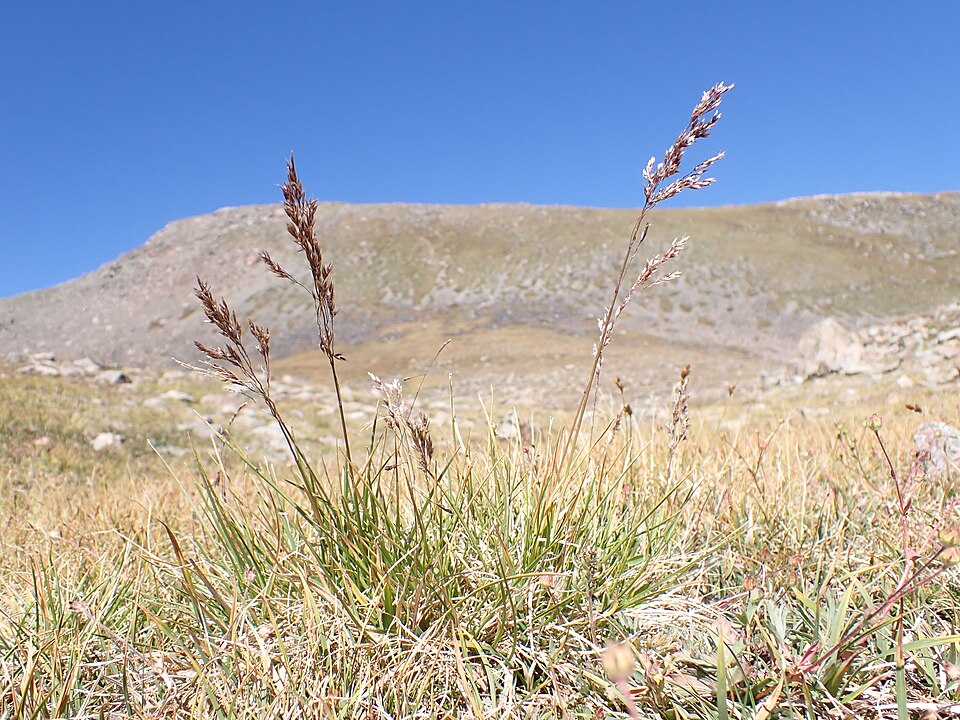
At midday, a stand of tufted hairgrass can look like dark leaves with a thin haze over them. Near sunset, walking toward the same plant from the opposite direction, you may suddenly see dozens of fine stems outlined against the light. That is a useful trick of the garden to plan for. Deschampsia cespitosa builds a low, substantial tuft and carries loose clouds of fine flowers above it. Find out where that effect will be visible before deciding how many to buy. The difference between one useful plant and a dozen anonymous ones may be no more than the angle from a frequently used path.
The plant asks for a reasonably steady supply of moisture and soil that admits air. A garden margin that stays fresh after rain can suit it. A slope behind a hot wall that dries to a crust in summer may be a poor home. Some afternoon shade can also be helpful where summers are warm. The placement decision has two parts. First find the places where the roots can thrive, then use the light to choose among them.
Use a stake to find the right sightline
Set two lightweight stakes in the border before going to a nursery. Use one to mark the expected height of the foliage and another to indicate where the flowering stems may reach. Check a cultivar label for approximate height and width. These measurements are more useful than the dimensions of a young plant in its sales pot. Put a little bright ribbon around the upper stake to show the area you hope will catch light. Observe it from a seat, a door and a normal walking route.
Walk that same route early and late in the day. A bright rim around the ribbon with a quiet background behind it suggests the flowers will be visible from that side. An open pale wall can wash out the finer stems. A darker group of shrubs or a distant hedge may make them clearer. Keep enough air between the clump and whatever is behind it, especially if the background plant will expand or send new branches downward. What matters is the view from your usual position, so move the stake until it falls into the area you actually look at.
This exercise also tells you whether the height is appropriate. A flower cloud can partly screen a view, but the base of the grass may be considerably denser. If you need to see a step or the edge of a low path, move the clump away from that line. Leave space for stems to lean a little in wet weather and for a person to weed around the edge. The grass will look larger once the flowers extend above lower plants in the border. Its mature width is the figure to work from beside a narrow walkway.
Read moisture at the depth of the roots
On a dry afternoon, lift a little soil from a depth of several inches where the root ball would sit. Do the same a day or two after rain. A relatively even change from moist to slightly dry is workable. Deep dust following every rain suggests that this corner would become an irrigation commitment. Persistent sticky, airless soil, especially in a spot where water has nowhere to leave, is a separate problem. Deschampsia tolerates sites on the moist side, but a perennial border that stays submerged or compacted has constraints worth dealing with before planting.
Near the edge of a large tree, the surface can look shaded and moist while the roots compete for that water through summer. Check the test spot after a week of dry weather once the canopy has filled. In a place where the soil breaks cleanly and retains some moisture below the surface, you can decide whether occasional watering during establishment is realistic. A bright edge outside the heaviest roots may give the grass both the moisture and the light it needs. Setting it directly beneath a downspout generally trades one uncertainty for another because a rush of water can scour soil around the crown.
Choose a small number of nursery plants suited to your region. Ask whether the labeled height includes flowering stems. Garden selections vary, and climate affects growth and the appearance of old foliage through winter. If you live near sensitive open land, check local recommendations for species and provenance. A plant that is appropriate to one garden may reseed more than you want elsewhere. Plan how to deal with stray seedlings before committing to a long mass of grass beside disturbed ground.
Give each tuft a clear place to grow
Water nursery plants while they are still in their pots if the mix feels dry. Dig a hole that accommodates the root ball and set its surface level with the soil. Keep the base of the leafy tuft clear. When you remove the pot, loosen outer circling roots gently without pulling on the foliage. Backfill, firm just enough to settle the plant and water thoroughly. A broad, light mulch can help limit drying during establishment. Leave a gap between the mulch and the crown so that debris does not accumulate inside the tuft.
Set the neighboring plants before you water everything in. A plant with solid leaves and a low outline can show off the fine flowers. Nearby perennials with a similar upright habit may make the border appear crowded. Try a spacing that leaves room for each mature mound. If the border feels sparse, fill the temporary gaps with light, easily removed plants or leave the soil mulched. Cramping a row to achieve a full first-year display creates work once the clumps begin to touch and the light can no longer pick out individual flower stems.
Use the first few weeks to watch how quickly the original root ball dries. In fine soil the surface may look wet while a coarser potting mix sheds a quick splash of water. A slow soak has a better chance of reaching the root ball. Look again after heat or persistent wind. Water the surrounding planting area as the roots grow outward and ease off as the clump establishes and the soil allows. If the tuft rocks when moved lightly later in the first season, check for poor rooting or a freshly exposed base before adding fertilizer.
Keep useful seed heads and remove the rest
Once the flowers fade, the dry stems can stay visible for a long time. Leave the ones that still contribute to the view and remain upright. Clip stems that have collapsed across a path or lodged in a neighboring plant. If you are trying to prevent reseeding, cut the flowering stems before seed matures in the areas where escape matters. In a less sensitive bed, a few seedlings may be welcome. The distinction comes down to the tolerance you have for editing the planting around them.
Look for small grassy seedlings in bare soil near the clump when conditions are moist enough to lift them. A young tuft is easier to move or remove than a mound that has grown within the roots of another perennial. Label any plant you move before it starts to resemble every other grass on the plot. If you grow a named cultivar for a particular size or flower color, bear in mind that seedlings may differ from it. Dividing a healthy cultivar is a better way to reproduce the same form where that matters.
Before new growth gets well under way, remove old flower stems. In a mild garden some of the leaves may stay green, and combing out loose dead foliage can be useful where it leaves the living tuft intact. Where the leaves are largely brown and tired, an early spring clean-up can include cutting back old foliage while keeping track of new shoots. Wear gloves when handling a coarse clump and use sharp tools. It is much easier to tell old stems from new green growth when you clean a grass in good light.
Check the planting in two seasons
A photograph in the first summer establishes one view, but leave room to change your mind after seeing the plant in winter. A windy corner can flatten elegant flower stems while a protected bed holds them for weeks. If most plants in a group lean in the same direction, check whether the site is shaded on one side or exposed regularly to strong wind. If only one leans, look at its immediate neighbors and whether its base has sunk below the surrounding soil. Observe before changing the whole row.
When deciding whether to add more, look from the place where you first marked the heights. Perhaps there is room for a second tuft farther down the border, where evening light touches an otherwise quiet corner. A second plant can repeat a successful shape without filling every gap between the two. If the original tuft is easy to care for and its fine flowers are visible in the places you pass most often, there is plenty of reason to keep the planting to that scale.
Further reading: Royal Horticultural Society plant profile for tufted hairgrass.