7 min read
Keep Common Yarrow Within a Sunny Border
Give yarrow a lean, bright position and decide how much of its spreading growth the border can accommodate.
On this page
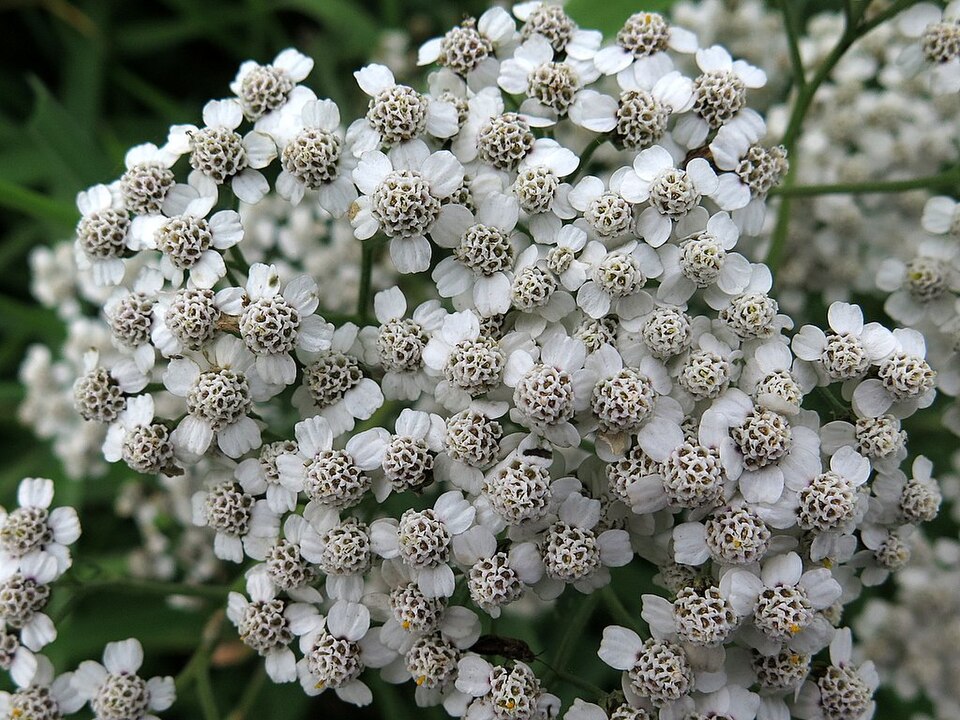
Common yarrow earns its place in an exposed garden with clusters of tiny flowers and fine leaves that fill the gaps between coarser plants. It also has a habit of taking up more room after the first season. A pot bought for a narrow opening can send new shoots into the nearby soil, and the original plant may be hard to trace by the time you notice. Plant it in a position where you can reach all sides and decide before planting where you will let it spread. The places where you enjoy the flowers and the places where you need to lift new growth should both be easy to approach.
Achillea millefolium is sold both as common yarrow and as named cultivars. Flower color, height and vigor vary. In some places it is a native plant or part of a locally native complex, and in others particular forms may spread beyond where gardeners want them. Ask a local nursery or extension adviser about the selection's behavior. If the border meets sensitive open ground, follow local guidance about suitable material before you choose the plant. If you already have yarrow in the garden, it is worth seeing how the existing patch moves before bringing another one home.
Start with the hottest edge you can inspect
Walk along the border on a clear day and look at which patches remain in sun after the nearby perennials finish leafing out. Common yarrow generally grows more upright in ample light. A sheltered position at the shady side of a tall plant can produce looser, leaning growth that is difficult to keep out of the path. Compare that with an open spot beside a low neighbor. The yarrow can bring light flowers into the view without leaning into the only route you use to weed.
After rain, check that the proposed area drains. Yarrow can cope with dry conditions once established, and an especially wet portion of the bed can be frustrating to manage. Avoid pockets that stay saturated. Do not assume that a plant recommended for dry ground should go into a dense mass of hard soil. A small, friable planting area with good drainage allows the first roots to reach the surrounding soil and gives water somewhere to go after you plant. Improve the wider area only as necessary and use the soil you actually have as the basis for the decision.
Pay attention to what people or animals brush as they pass. Yarrow's leaf and flower stems can make a light screen, but a patch leaning out over a narrow path is awkward and is frequently disturbed. People with sensitive skin can react to contact, so wear gloves when doing extended cleanup and keep vigorous growth back from regular traffic. Look at the path in its narrowest place after the adjoining plants reach full size. That width will tell you whether yarrow can stay in the chosen position during flowering.
Allow for the plant you will have next year
Set a nursery pot in the desired place and leave it there for a little while. Imagine the mature plant at its full width as shown on the label, then add room on the side where you can lift a stray shoot. It is easier to make a continuous planting across a generous edge than to keep correcting a vigorous plant squeezed between small, slow-growing neighbors. If your available gap suits a compact selection, look for a form known to stay relatively short and tight locally. Give it a clear boundary even if the label suggests a tidy habit.
Start with a single plant if you have never grown yarrow in the area. Install it at the same depth it grew in the container, in workable weather, and water thoroughly. The ground should settle around the root ball without packing down hard. Check again after a few dry days and water if the root zone begins to dry. An established clump can cope with less attention than a plant just moved from a nursery. A very small first planting makes the early watering and the later assessment easy to manage.
Avoid automatically giving it the same rich treatment as a hungry vegetable bed. Fertile soil and ample moisture can lead to more height and floppier stems, depending on the plant and exposure. If nearby plants need regular feeding, place the yarrow where you can treat those areas differently. Some of the best useful border positions already have the leaner conditions a mature yarrow will tolerate. Observe new growth before deciding whether soil improvement is genuinely needed.
Work with the two ways it spreads
Look for green shoots beyond the center of the original plant in the growing season. Underground stems can travel into open soil and make new growth. A fresh shoot on the outer edge is much easier to remove while its connection is short. Loosen the soil with a hand fork and follow the shoot back so you can take as much of the unwanted runner as practical. Recheck the spot later. Tearing only the leaves at ground level leaves the part that can grow again.
The plant can also spread through seed. If you do not want seedlings, plan to remove developing seed heads once the flowers have finished and before seed ripens. Keep a few flowers if they are still adding something to the view or attracting insects, then return to those later. On a large planting, work in sections so you remember which heads still need attention. A cut through the upper stems can make it easier to see the leafy base. Preserve enough healthy foliage for the plant's growth.
Decide how many volunteers you want to leave. A seedling at the outside of the bed may be useful, but a seedling growing against the base of a smaller perennial becomes hard to remove without disturbing both. Take a small piece of a healthy established clump if you want to reproduce a named selection and local growing conditions suit division. Seedlings may differ from the parent. Keep a durable label with any divisions you give away, and pass them on only where the plant is suitable.
Check why the stems lean before you stake them
Look at the whole plant from a few feet away. If the bend begins at the base of all the stems and they point toward an opening, the light is probably worth checking. If tall flowering stems were upright until a heavy rain, they may need a discreet ring of support or a somewhat more sheltered position. When a patch is uniformly tall and soft, look at the combination of fertility and watering. A tight tie at the top may keep it out of the path temporarily, but a change in the growing position could give you stronger stems next season.
Install any support while the stems are short. A wide ring or a few small stakes can catch the growth without pressing all the stems together. Keep the support clear of the path and make it easy to reach the base between the stakes. Once new plants appear, decide whether they belong inside or outside the clump. A support that the patch quickly grows beyond is a reminder to inspect the edges and reconsider the width you allotted.
If foliage becomes heavily spotted or remains damp for much of the day, inspect the spacing and airflow in the bed. Remove clearly dead or badly affected parts and check the symptoms with a local gardening resource if they are increasing. Avoid relying on a spray without an identification. A small outbreak in a crowded patch may recur until the foliage has enough space to dry. Spreading a few stems apart often shows whether the center has become packed with dead growth from previous seasons.
Leave an access strip before winter
After the main display, look for a hand-wide strip where you can slide a fork into the soil without catching neighboring roots. Refresh that access while the boundaries are still visible. Use a narrow marker if the same gap will be difficult to find after the stems die down. You can keep some upright dry flower heads through winter if you are comfortable with the seed they may have dropped and they are clear of the path. Where controlling spread matters, check the cuttings for mature seed before moving them around the garden. In spring, tidy the old stems before new shoots make the edges difficult to find.
Take one photograph when the flowers are open and one when you can see the ground. Use a fixed object at one side of the picture to compare the plant's width next year. If it stayed upright and the edges remained easy to maintain, you can leave the next season's growth alone until flowering is over. If it spent the summer on the path or expanded toward plants you wanted to keep, cut back the planting to a size you can maintain. One well placed patch can supply enough color and texture without taking over the work of tending the border.
Further reading: NC State Extension profile of common yarrow.