7 min read
Give a Lovage Clump a Picking Side and a Flowering Side
Place a tall lovage where a few tender leaves are within reach and the larger stems have light, room and manageable seed.
On this page
A small lovage plant on a nursery bench fits comfortably beside the other herbs. A mature clump can send its flower stalks higher than the person who picks it. Use that difference when you choose a place for it. Give someone standing on the path access to young leaves, and let the taller stems rise on the back of the plant where they have room. A single established clump can be useful for both jobs, especially if you decide before flowering which side you want to keep open for frequent cuts.
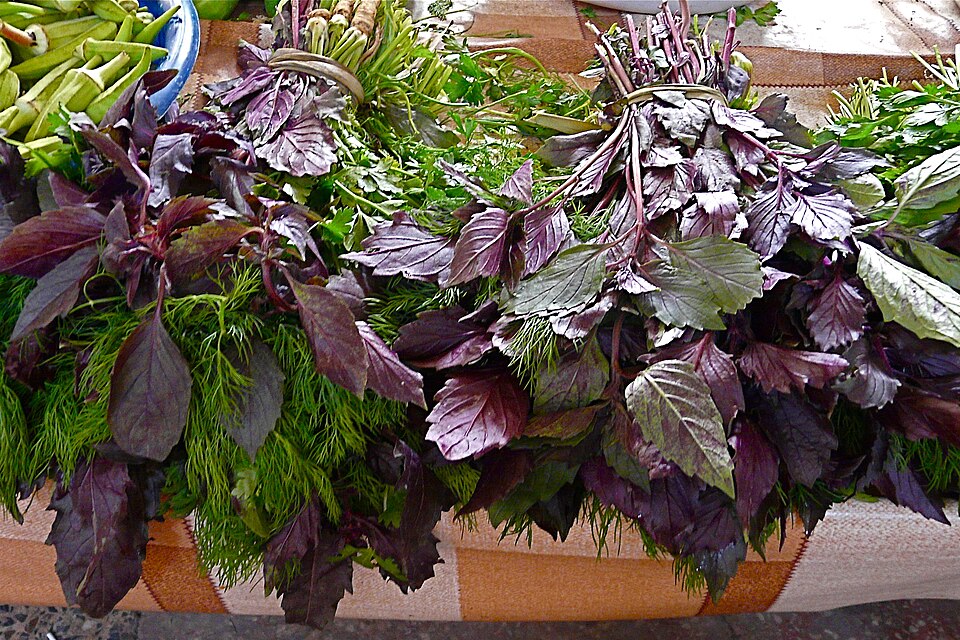
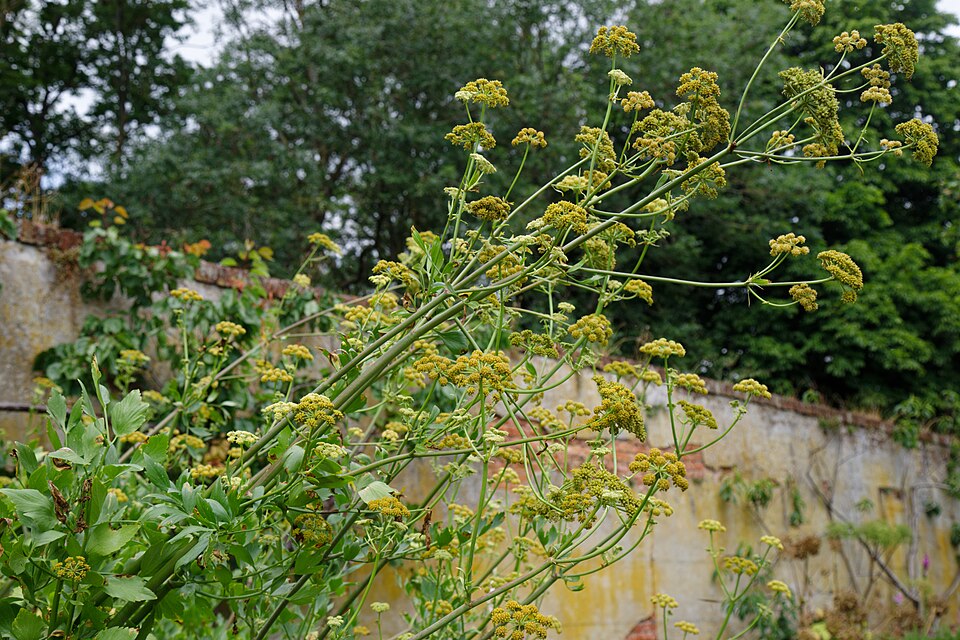
Lovage, Levisticum officinale, is a hardy herbaceous perennial. Its leaves have a strong celery-like flavor on properly identified culinary plants. Tall flowering stalks may reach about six feet or more in suitable conditions, while a mature base can fill a broad patch of ground. A few leaves are often enough for ordinary cooking. The plant can be worth keeping at the edge of a bed even if you never need a large harvest. Place it so the trunk-like flower stalks do not hide the small plants you intend to tend every day.
Make space for the leaves you will actually pick
Stand at the proposed spot with the container or bag you use for garden harvests. Note how far you can reach while keeping your feet on a stable surface. Put the center near enough to reach the outer young leaves but far enough inside the bed that the mature base has room. Look at the same point from the other side. A broad opening beyond it can accommodate flower stems, while a tight wall can leave all of those stems leaning into your picking route.
Choose sun or suitable partial shade with deep, reasonably fertile soil. Give the roots steady moisture while allowing excess water to drain. Use the plant's height to your advantage if a brighter window or short crop lies nearby. It may fit at the back of a bed where its eventual shade falls across a plant that can handle it. Avoid the sun-facing edge next to something that will need uninterrupted light. Check how the sun crosses the site instead of assuming a planting diagram will apply regardless of orientation.
One substantial container can hold a plant if the bed is unsuitable or the space is small. Use a deep, well-drained container with a stable base and enough growing medium to support the root and leaf mass. Plan how you can check and water it fully during summer. An established lovage can be awkward to move, so set up the pot and its drainage where it can stay. A small mixed herb container rarely offers sensible room for lovage once its neighbors and its own roots start filling it.
Let a young plant establish before choosing flower stems
A labeled nursery plant is a useful start when you only want one clump. It is easier to see the existing crown and estimate when to begin light picking. Seedlings can also grow into fine plants but may take longer to establish. Put a transplant at its earlier depth. Settle the soil around the roots with water and keep the crown clear. Leave room to reach the leaves from the side you chose even if the new plant looks much smaller than its allotted land.
Water while new roots grow out. Feel the soil below the surface during dry weather. A generous leaf canopy can use water quickly, particularly if the position is sunny or the plant is in a container. Give a thorough watering when needed and let the soil drain. A light layer of appropriate organic mulch can slow surface drying. Keep it away from the central crown. Watch where it accumulates after summer rain or watering, since the base can become difficult to inspect as it grows.
In the first season, take only a few leaves from a vigorous rooted plant. Clip fresh growth with clean snips and harvest only known culinary stock raised and treated for food use. Rinse it as you prepare it. The flavor can be strong enough that a couple of young leaflets are useful. Try a small amount before deciding to collect a handful from a newly settled clump. Preserve most of its foliage until you see consistent growth. A plant tended primarily for flowers this year can be used more fully for leaves in a later season.
Work one side for leaves and reserve several high stems
As the plant expands, choose which leafy stems are easiest to reach from the path. Harvest them selectively. A cut above healthy material can leave useful growing points and lets you choose a short stalk for immediate use. Keep the sound remaining foliage clear of the path. If the main leaf mass becomes mature and picks become less useful, cut back part of a vigorous clump to encourage new leaves while keeping another section intact. The response will depend on the season and the state of its roots.
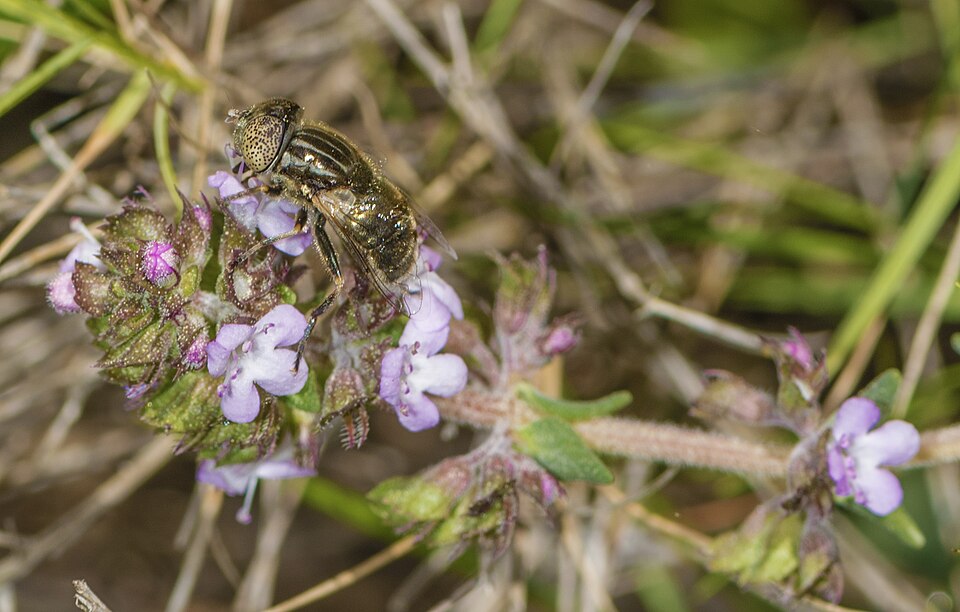
Let a few suitable flower stems stand on the side with clearance. Pollinators may visit the flower clusters; the exact visitors will depend on where you garden. Keep the stems where they do not need to be brushed or constantly moved while you pick. If a stem leans into the path during a storm, guide it gently or cut the one that caused the obstruction. Check where the weight sits before adding support. A tall stem in an open area can often remain upright without being tied to every one of its neighbors.
Look at the next set of shoots following a cut. New leaves from the picking side should have enough light and unobstructed space. If they are hidden by neighboring plants or by the large flower stems, you may find it easier to rotate which side is harvested next season. There is no hard boundary within the crown. The separation is a way to reach the plant and decide when to trim it. Make the cut where you can see a stem clearly rather than relying on the name you gave each side months earlier.
Check how the tall side affects the neighbors
On a clear day, return when the plant is close to its mature height. See where the tall stalks throw shade and whether you can still reach the lower herbs. A few stems can cast a thin shadow while the broad leafy part of the clump covers much more ground. If the adjacent leaves are hard to pick, clear a narrow opening beside the lovage as a first adjustment.
A container can sometimes be repositioned after cutting the stems down for the season. If the pot is too heavy or its roots have grown through the drainage holes, plan that work with help in a suitable period. Never try to turn it by pulling the old stalks.
Decide when to remove the flower heads
Before seed ripens, decide how much seed spread is acceptable. Lovage can establish outside a planting in some places. Check local guidance before permitting seed where the bed meets a natural area, and choose a different plant where appropriate. Cut spent stalks before ripe seed drops if you want to reduce volunteers. Start with the ones that are beginning to dry and those closest to soil in which you do not want seedlings. Handle removed stems so you do not scatter material along your route out of the garden.
Check the places where small volunteers could grow. Gravel, disturbed soil and bare space near other herbs may receive seed. Remove unwanted seedlings early when you can identify them and their roots are modest. Keep a durable label by the parent. It is helpful for deciding whether a new plant lies outside the crown and for avoiding confusion with wild lookalikes. Never harvest a volunteer whose identity and growing conditions are uncertain. The original labeled clump is enough to provide a small leaf crop.
When the stems die back, tidy dead material at a convenient time. Mark the crown and keep the drainage route clear through wet weather. Divide only where an established clump has become too crowded or you need another well rooted piece. Choose conditions suitable for establishment and leave enough sound roots and living buds on any part you replant. A healthy clump can stay in its spot if it has space and supplies what you want.
Keep the useful width if the clump grows well
Look at your route once the first young leaves appear the following year. If you can still reach them and the taller shoots have an open line upward behind them, keep the position. If a single plant has filled too much of the bed, move part of the plan sideways before doubling the planting. You can use a few leaves from one side and let several taller stems stand on the other. A clump the right size for your route and raised to full height in the right spot is considerably more useful than several smaller pots competing for the same light.
Further reading: Royal Horticultural Society guide to lovage.